
An actor, a century, a record.
A researched, primary-source archive of the life and work of Cary Grant —seventy-two feature films, eighty-two years, and the collaborators and photographs that surround them. Written to remain accurate for as long as the pictures do.
He was not the most decorated actor of his generation, and he never claimed to be. He was, instead, the one the others watched — Bogart, Peck, Poitier, Clooney — to learn what a leading man could be if he refused to raise his voice. What follows is the record: the films, the collaborators, the wardrobe, the interviews, the addresses — read against the primary sources, and revised as the sources are revised.
- Feature films
- 72
- Collaborators
- 249
- Years
- 82
- Quotations
- 140
Eight ways
into the record.
Every section is written from primary sources — studio files, press interviews, memoirs, and family papers — and revised as the record revises itself.
The full life, 1904 – 1986, told in chapters and verified against primary sources.
Eighty-two years, arranged chronologically. Births, films, marriages, honours, exits.
Seventy-two feature films and one short, 1932 – 1966, in chronological order. Studio, director, runtime, co-stars, and critical standing.
249 collaborators, from Hitchcock and Hawks to Bergman, Hepburn, and Kelly.
In his own words, and what others said of him — each line sourced and dated.
The suit, the shirt, the tan. Notes on the discipline behind a wardrobe designed to disappear.
Essays and research notes on the films, the persona, and the enduring afterlife.
The biographies, memoirs, and reference works consulted in every essay we publish.
The Suit That Never Quits
How a grey Kilgour two-piece became the most photographed garment in North by Northwest — and, arguably, in twentieth-century cinema.
Read the essay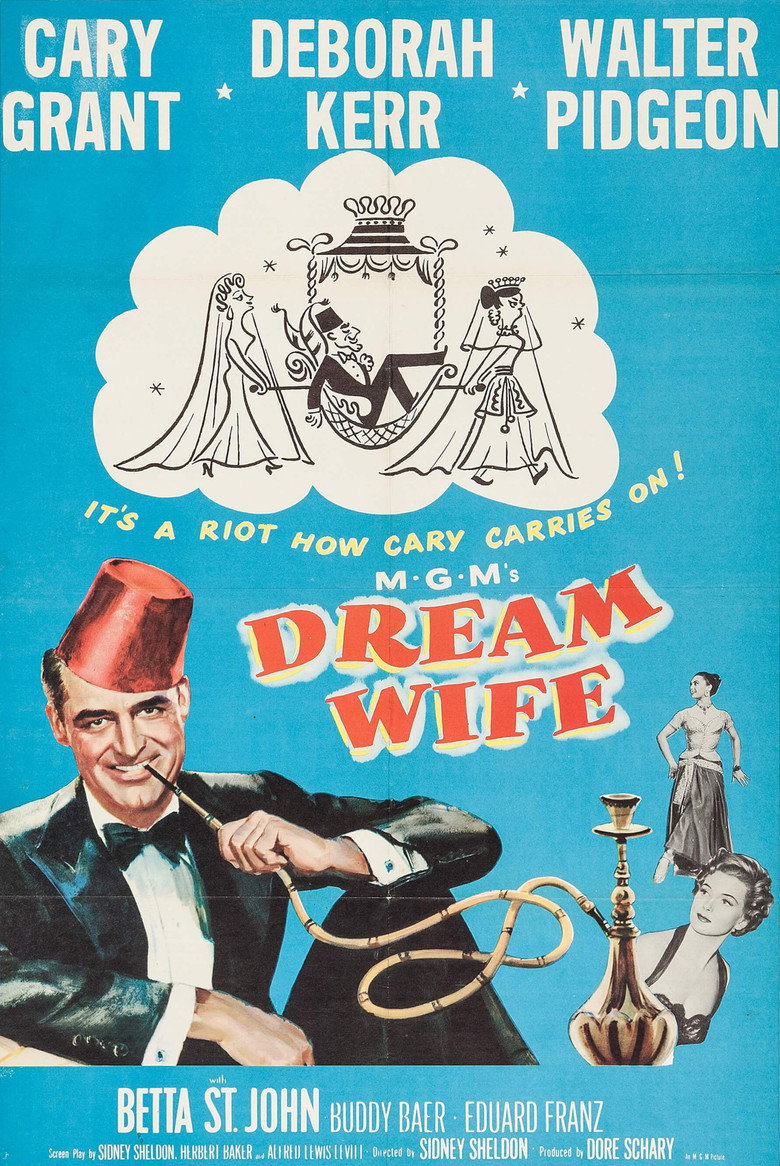
Dream Wife
Cary Grant and Deborah Kerr headline an elegant romantic comedy exploring whether the perfect partner exists—or whether perfection itself is an illusion.
A transitional work leading toward Grant's great late-career romances.
Read the study“In 1937 he declined a new studio contract and chose his own pictures, directors and terms — among the first stars of his rank to work that way. The films he made on those terms are still screened, taught and restored.”
Recent essays.
On the accent nobody quite places, and the discipline required to keep it that way.
Four films over eighteen years. What did each man take from the other?
In 1937 he walked away from a studio contract. What that decision made possible — for him, and for everyone after.
The sources
behind the record.
Biographies, memoirs, studio histories, and press interviews. Every essay we publish is checked against at least one work on this shelf, and cited where the record turns on it.
Browse the library- · 2004Cary Grant: A BiographyMarc Eliot
- · 1996Cary Grant: A Class ApartGraham McCann
- · 2011Good Stuff: A Reminiscence of My Father, Cary GrantJennifer Grant
A quiet dispatch,
once a month.
One considered essay in your inbox each month. No promotions, no algorithms, no forwarding. Unsubscribe with a single click.